
adhoc Flow/
Amazing Bass
…How Sweet The Sound…
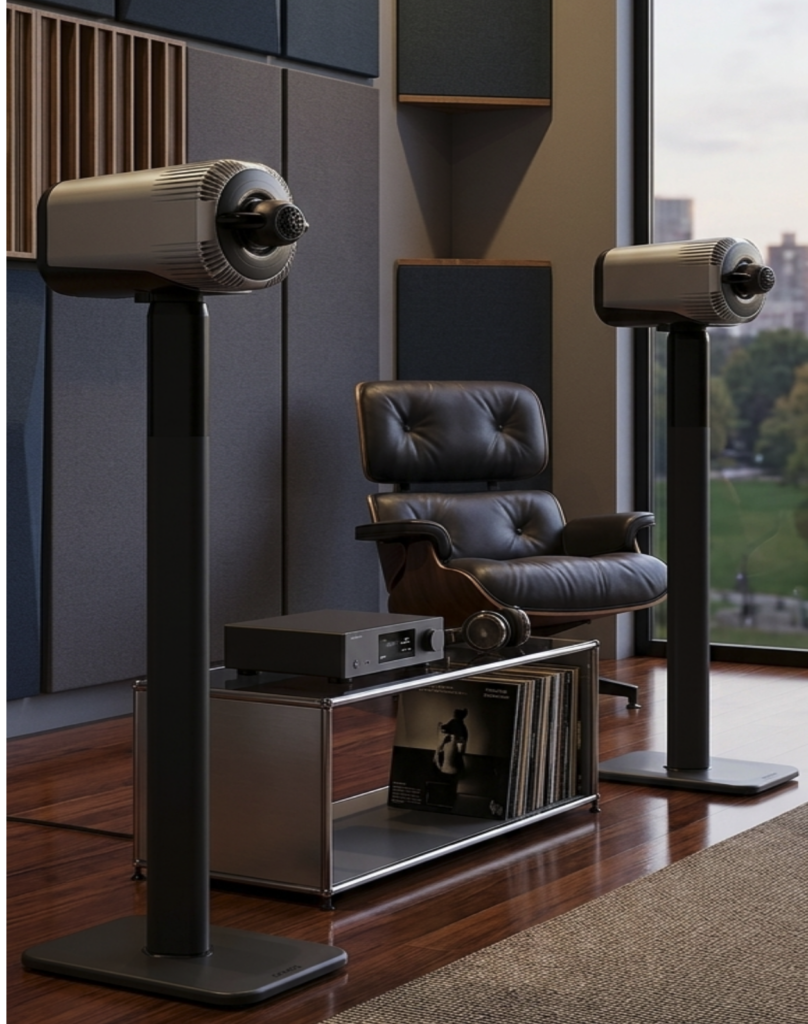
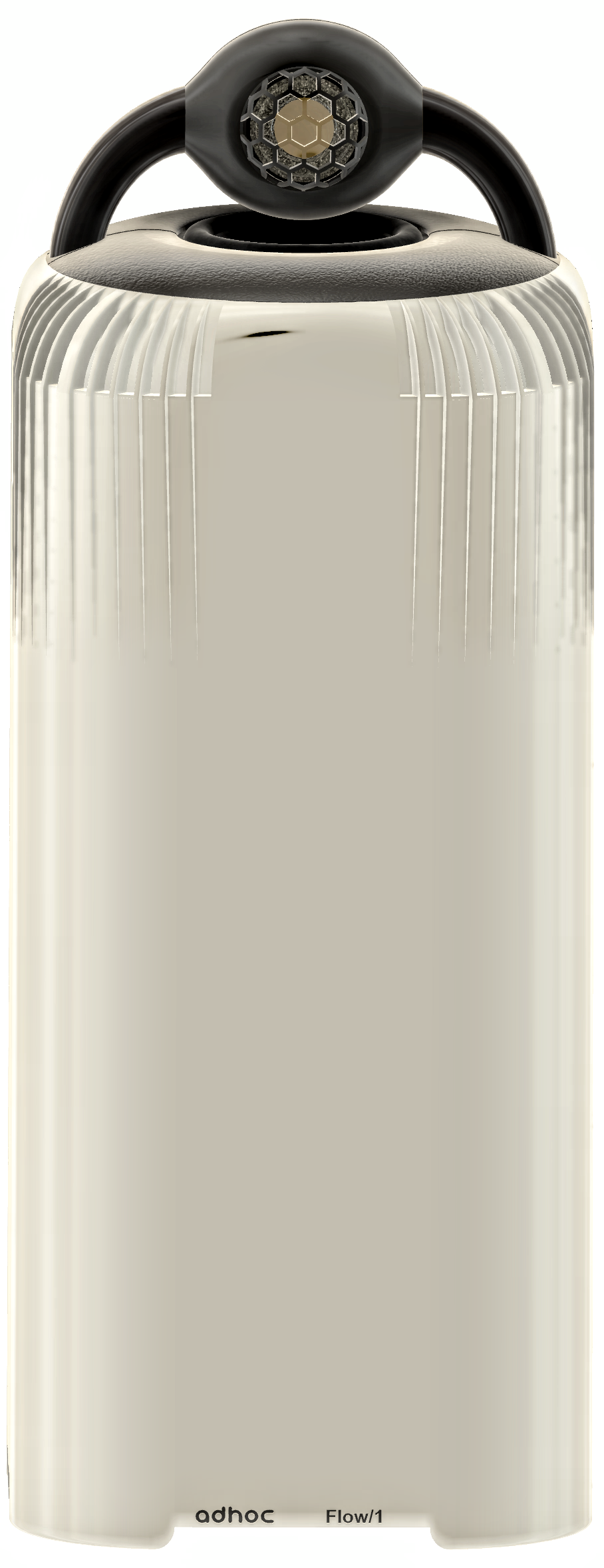
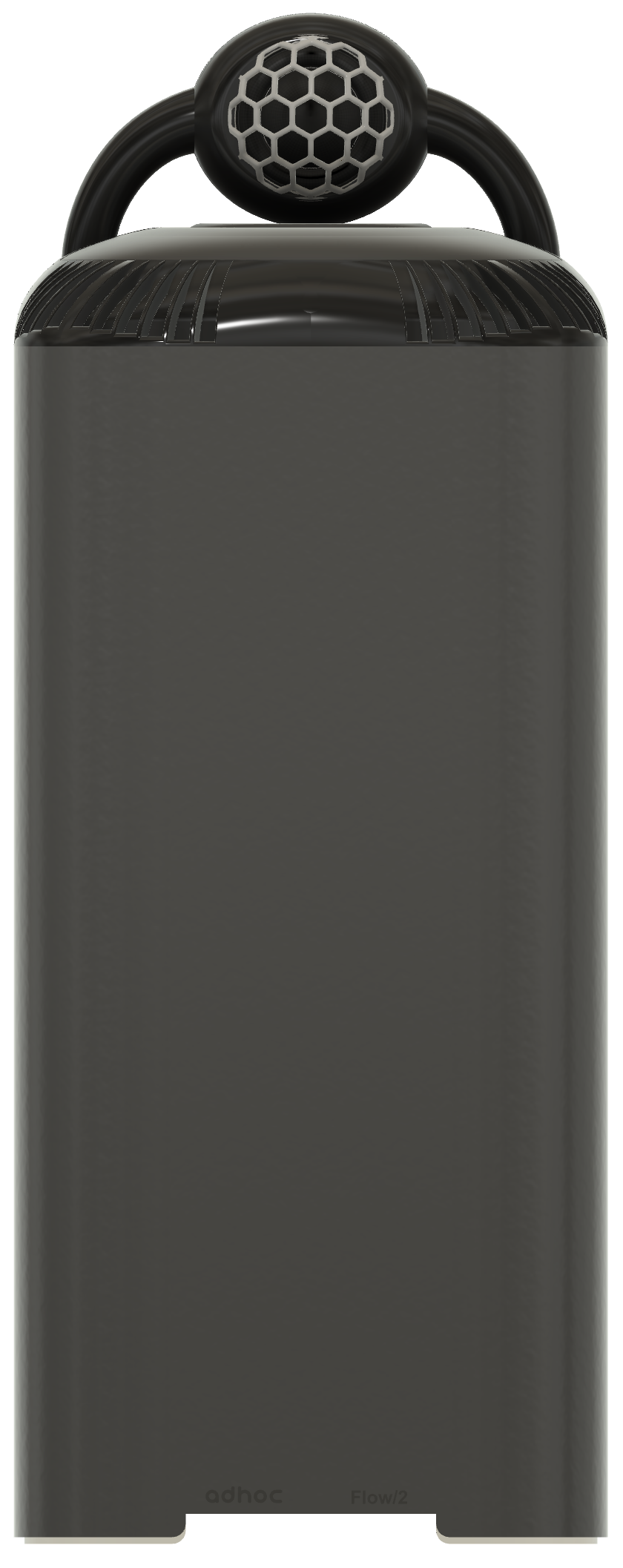
adhoc Flow/1 and Flow/2 are compact 3D-printed loudspeakers based on a patented folded coaxial tapered quarter-wave tube design. They are a DIY project for makers who want a bespoke audiophile loudspeaker. The design folds a 1.8 meter, 4.8L air mass through unequal-length segments of concentric rings inside a compact enclosure. The speaker system has a 180-degree swivel tweeter and active FIR crossover to produce useful bass extension without booming, precise imaging, and balanced sound from a loudspeaker small enough to fit in any room.
Designed Around The Air Flow/
Compact, Tuned Enclosure
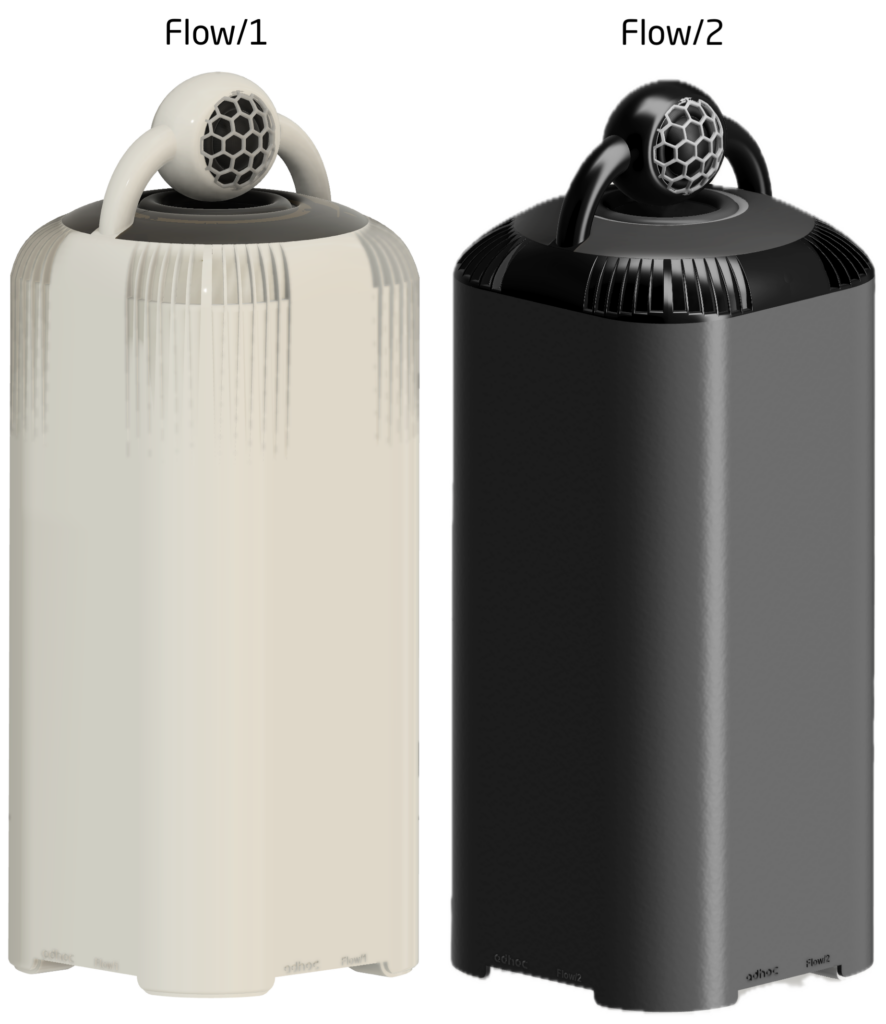
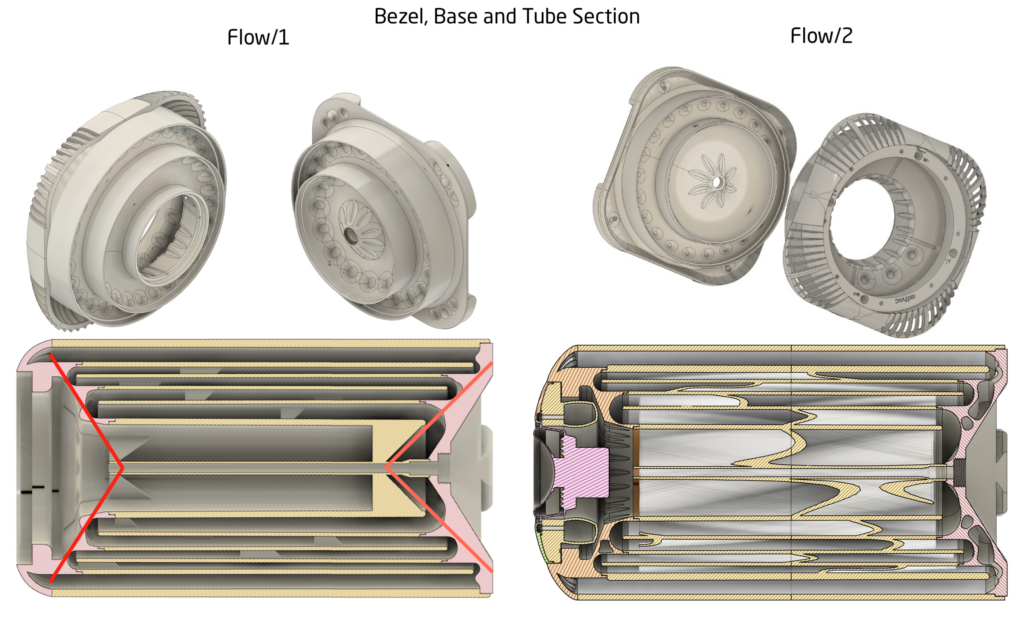
The enclosure does the acoustic work. Printed internal geometry controls the rear wave, spreads line modes, and lets a small loudspeaker reach lower without turning bass into boom. Flow/2 adds gyroidic vanes and tuned Helmholtz resonators to address selected higher-order modes.
Coaxial Point Source
Flow/ packs a 180-degree swivel tweeter and an optimized quarter-wave path into a compact enclosure. Flow/ balances bass extension and placement versatility in a format meant to reduce the usual seating and placement limits of small speakers, with every cubic centimeter performing a dedicated acoustic function.
Swappable Driver Modules
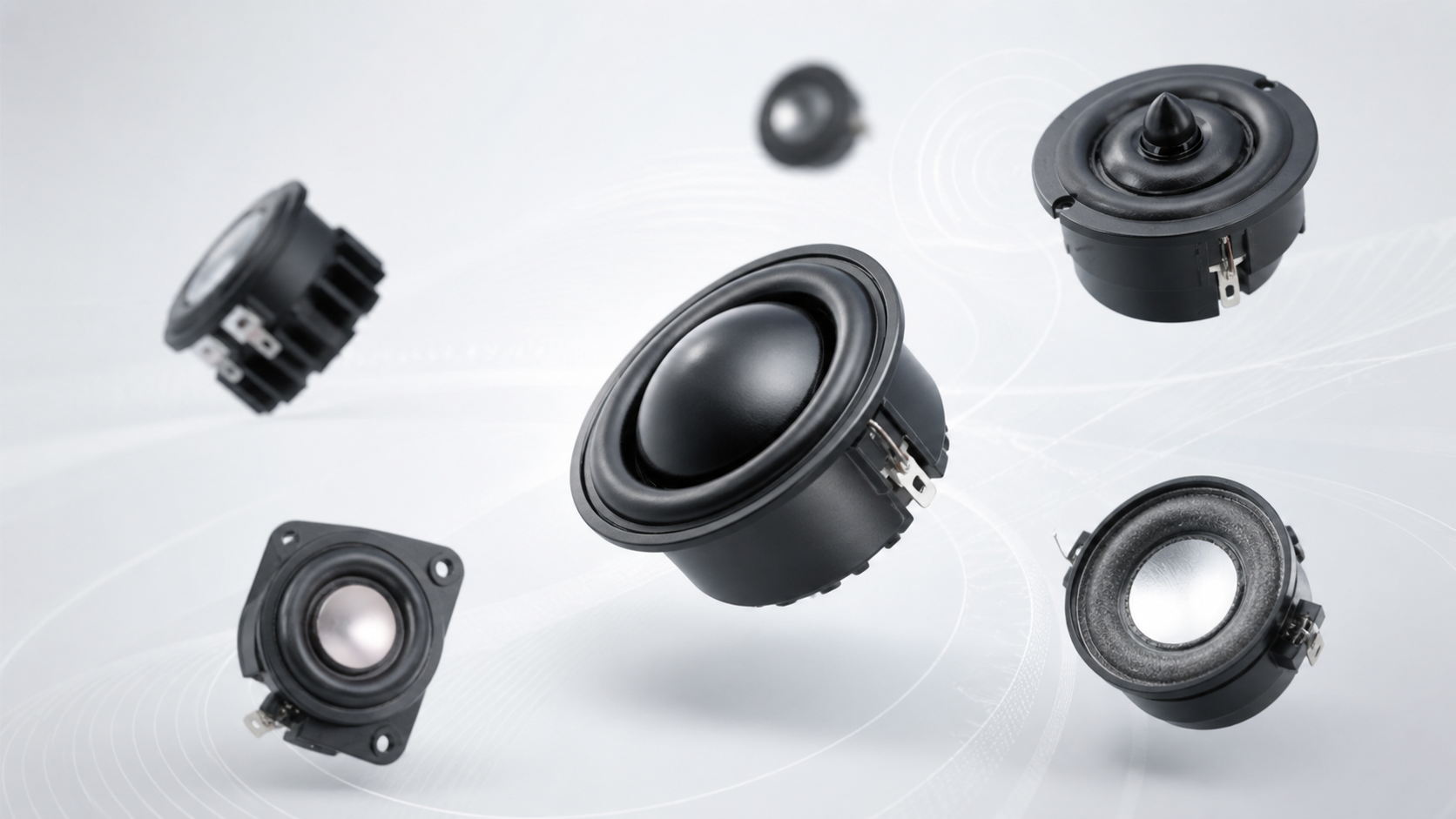
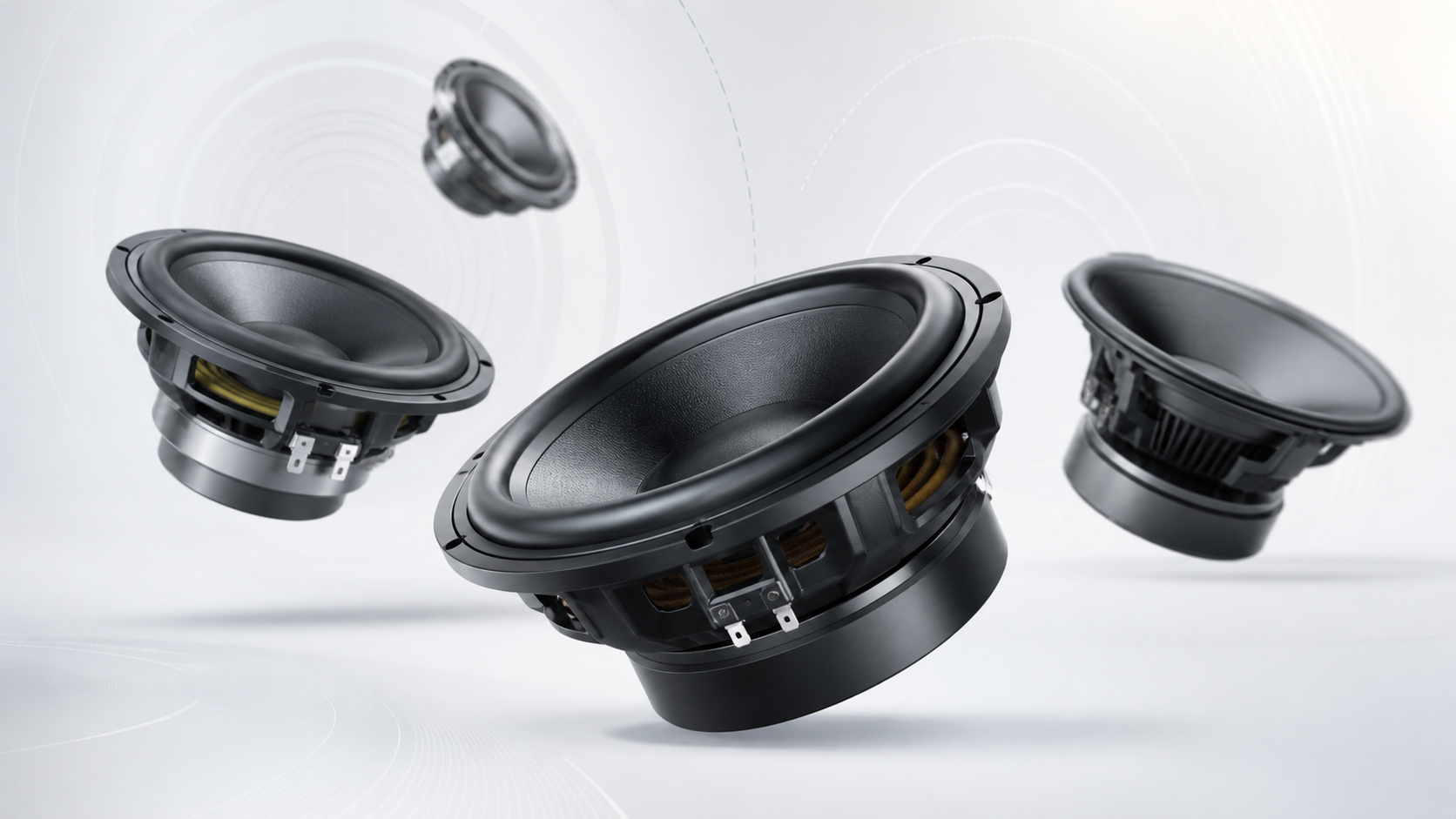
Flow/1 is designed around removable high/low driver modules. A complete driver pair can be swapped between enclosures in under a minute, making driver comparison, measurement, repair, and future upgrades easy. Current modules support SB Audience, AuraSound, Wavecor, Tang Band, and Dayton Audio drivers, with more to come. Flow/2 is optimized for Wavecor and Dayton Audio Drivers.
Large Sound From A Small Speaker
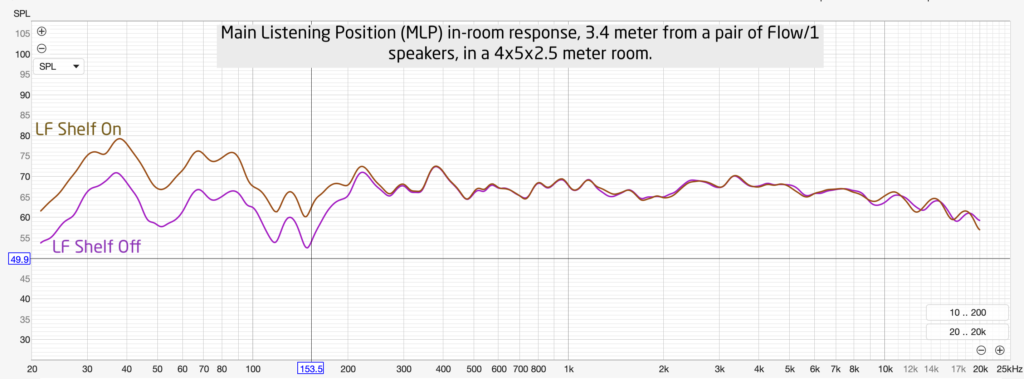
Flow /1 reaches down to 30 Hz from a 3.5-inch driver, producing low-frequency output normally associated with much larger loudspeakers.
Designed for the Print-Build-Do-It-Yourself Maker
Flow/ is a natural project for the PBDIY community: makers who print, build, repair, and create things themselves, supported by shared knowledge rather than finished commercial products. It is an engineered loudspeaker system you build, configure, measure, and bring to life by hand.
- It is for makers who want a bespoke loudspeaker, not another off-the-shelf box.
- It is for listeners who want audiophile performance, satisfying bass, and stable imaging from a compact, versatile package that fits in a real room.
What You Get
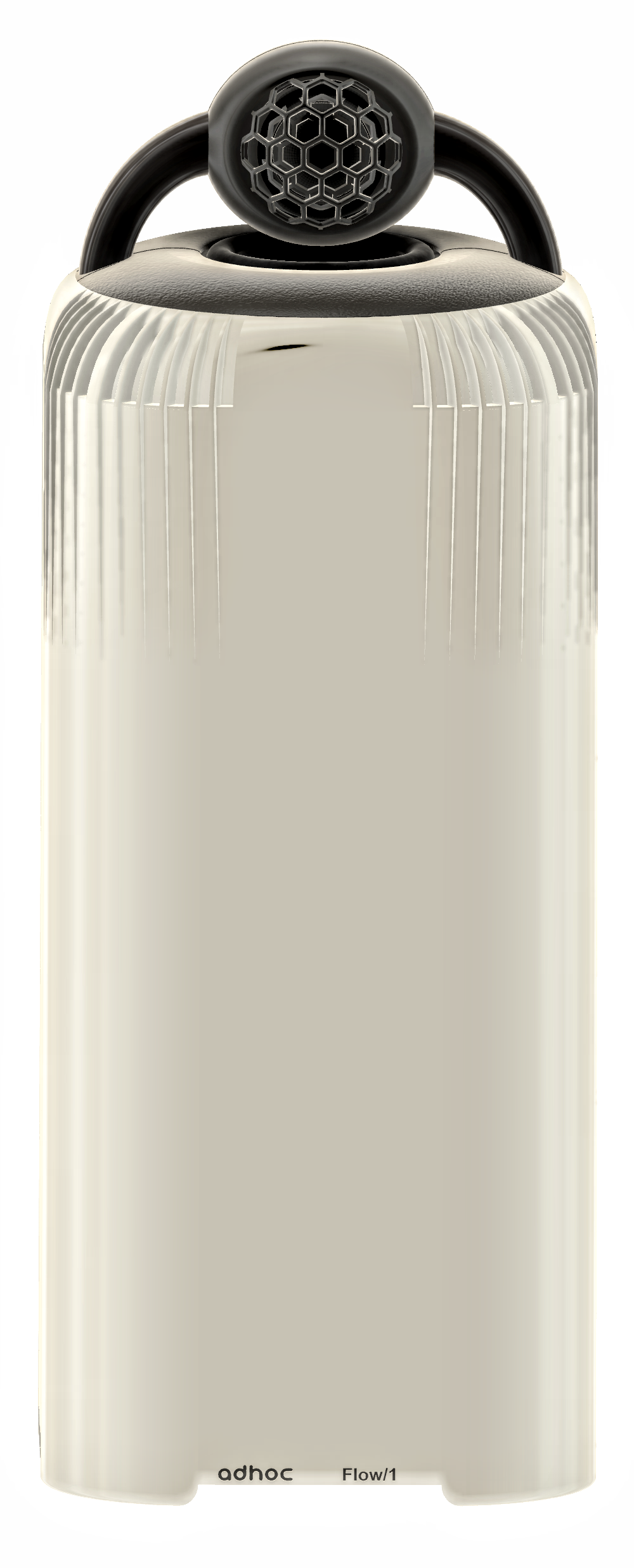
Flow/1 Maker’s Guide
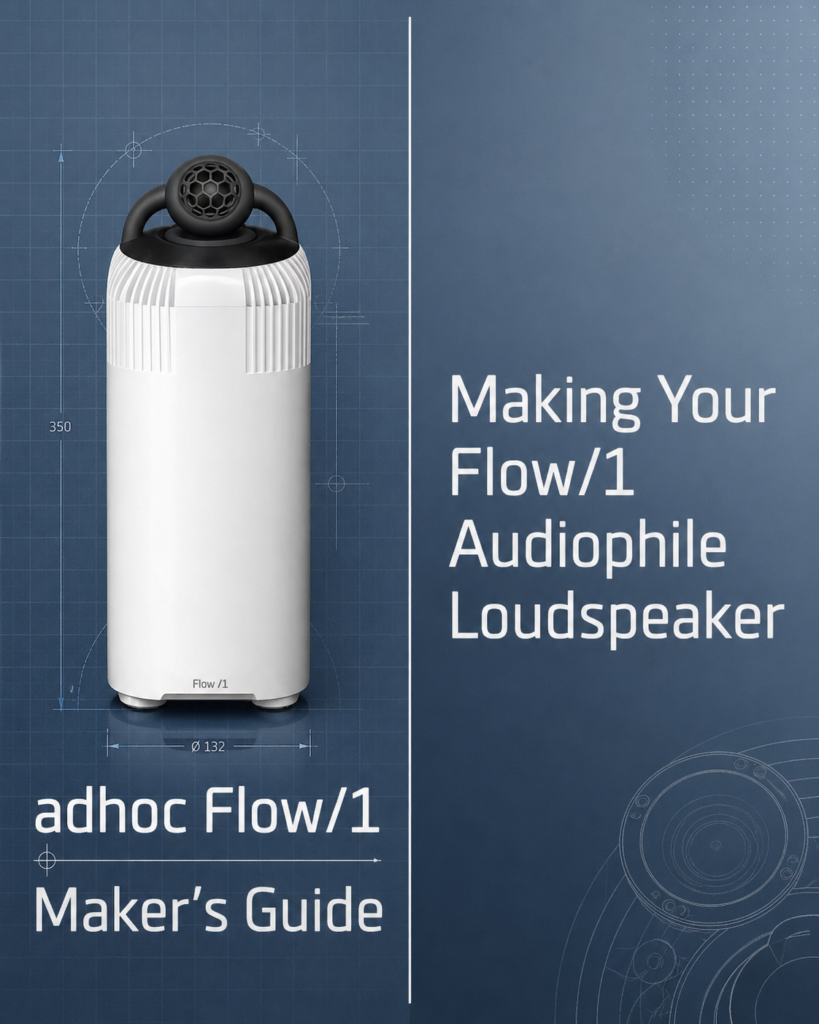
This is the main build guide for Flow/1. It covers the materials, fit, tolerances, assembly steps, and construction details needed to turn the printed parts into a working loudspeaker. It explains the design intent behind the steps, so you can build with confidence. Click the image below to view or download the Flow /1 Maker’s Guide and see what it takes to build a pair of Flow/1 loudspeakers. Available to everyone.
Flow/2 Maker’s Guide
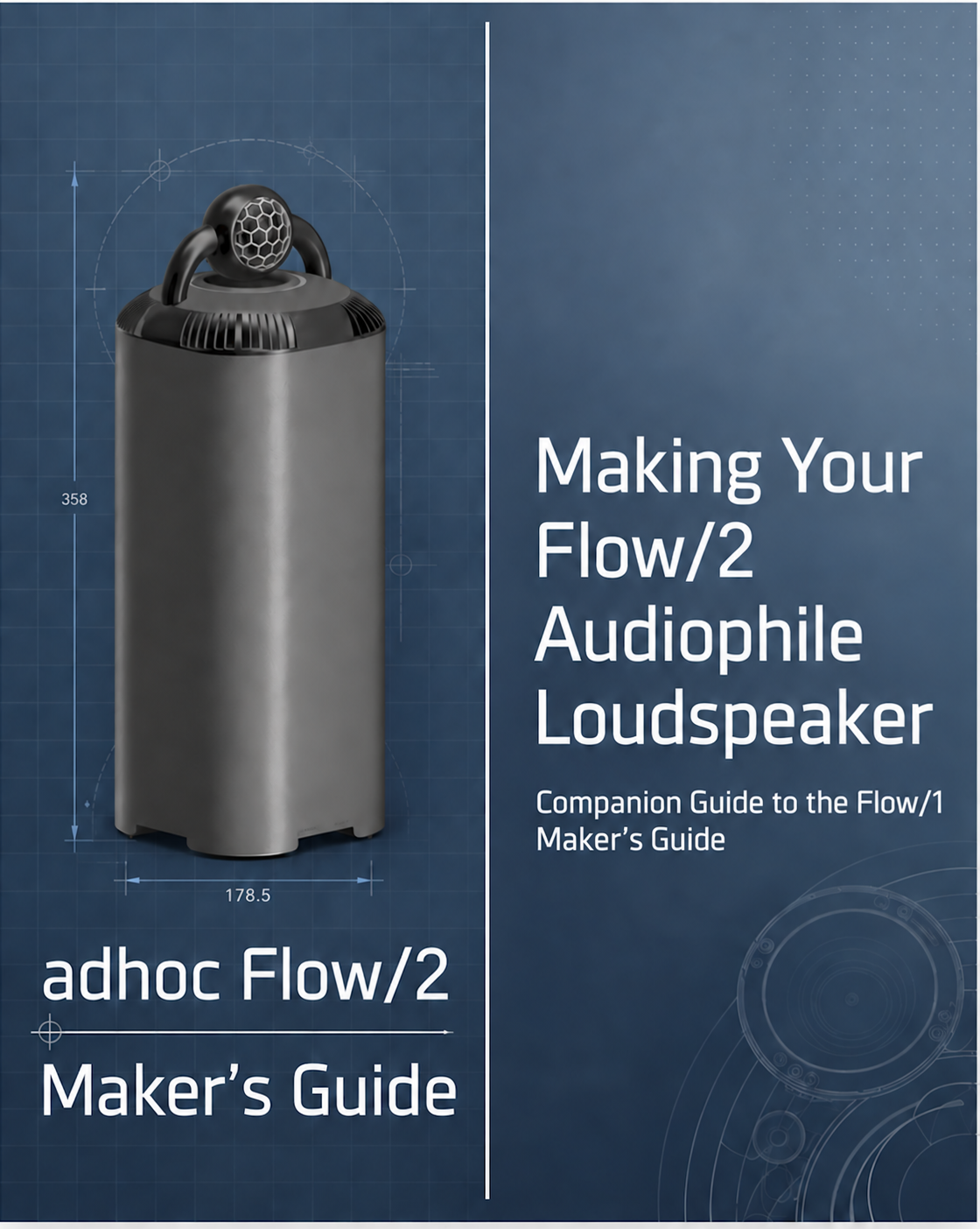
The Flow/2 Maker’s Guide is a companion guide to the Flow/1 Maker’s Guide. It covers the Flow/2-specific printed parts and assembly procedures for the Wavecor TW030WA26-8 HF driver and Dayton Audio ND91-8 LF driver, including the twisted gyroidic vanes, seven tuned Helmholtz resonators, Flow/2 uses seven tuned Helmholtz resonators to reduce higher-order tube modes. Their DFAM geometry uses revised chambers, throats, and sloped internal walls designed to print without internal supports. Tube Section options, and enclosure assembly. Consult the Flow/1 Maker’s Guide for shared information on printing, tools, hardware, electronics, suppliers, and general construction.
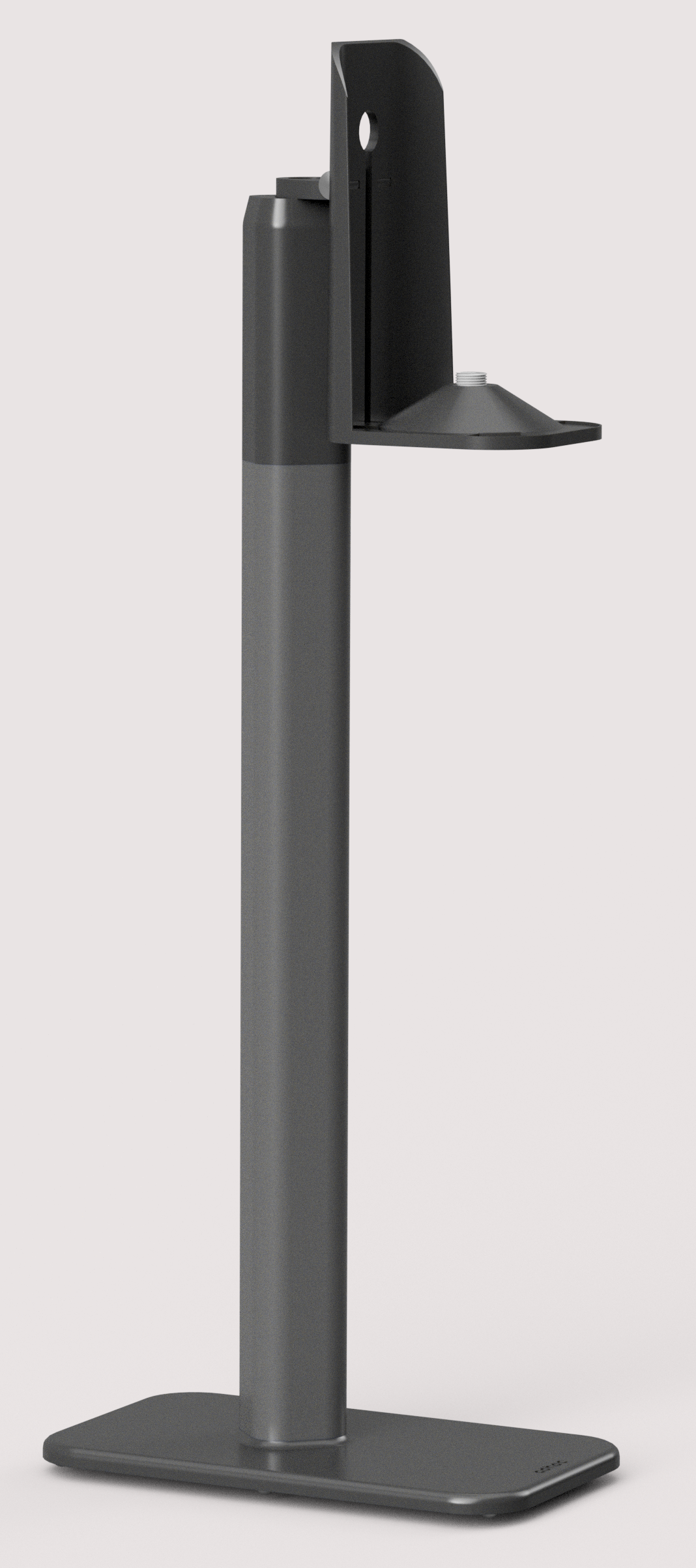
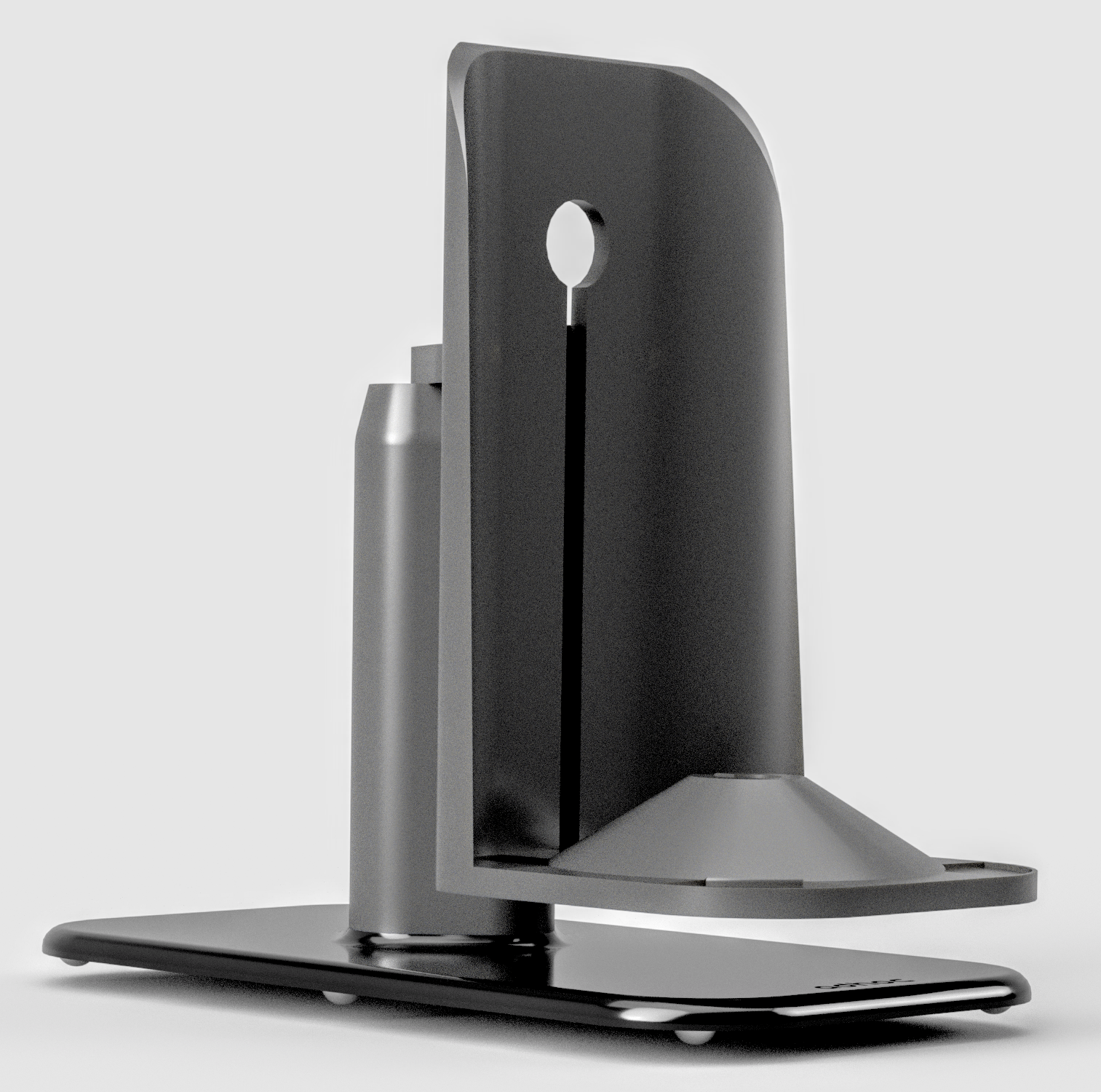
Stand Assembly Guide
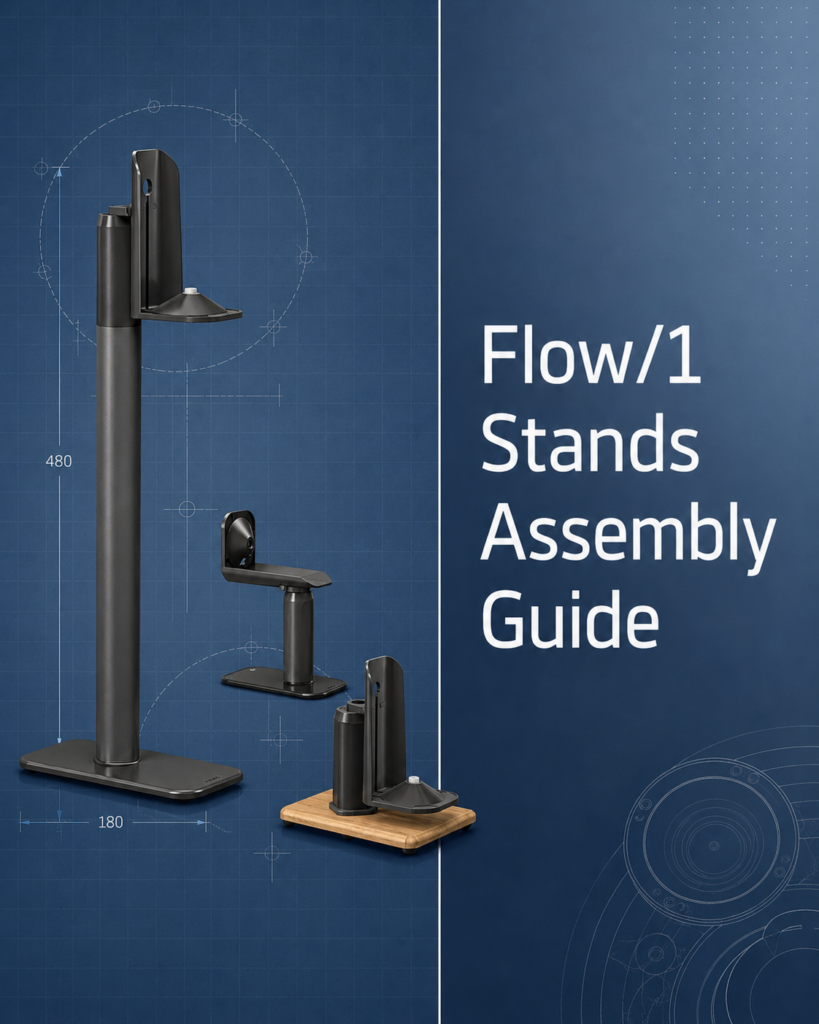
Flow/1 will sit comfortably on a shelf standing vertically or lying horizontally. You can make stands to expand placement options for the Flow/1 speakers. This guide tells you how to print stands or make hybrid stands with printed and wooden parts. Click the image below to view or download the Stand Assembly Guide and see what it takes to build a pair of Flow/1 stands. Available to everyone.
Flow/2 Theory of Operation
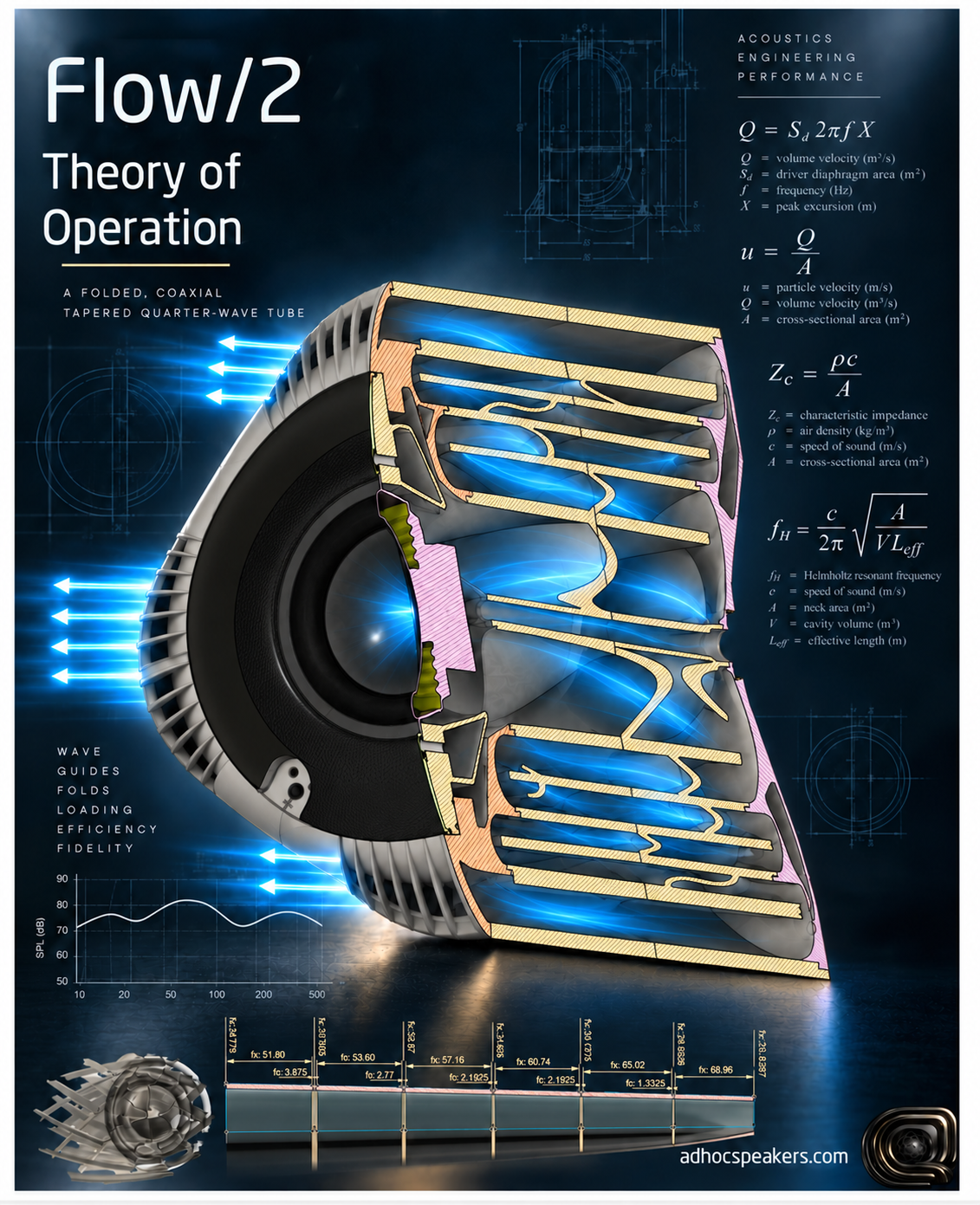
The Flow/2 Theory of Operation explains the geometry, calculations, and design reasoning behind this compact 3D-printed loudspeaker. Flow/2 adds twisted gyroidic-like vanes and seven tuned Helmholtz resonators aimed at selected higher-order tube modes. Its shaped folds, dimples, pimples, clefts, four-passage S6 terminus, and rounded, stepped exit grille are designed to distribute reflections, preserve useful quarter-wave bass and line-area continuity, and manage airflow through the final section.
Design Files
Complete STL and STEP files for all Flow/1 enclosure components, optimized for printability, fit, and acoustic performance, are available to subscribers. Flow/2 design files are not yet available. They will be offered after printed Flow/2 prototypes have been built and verified.
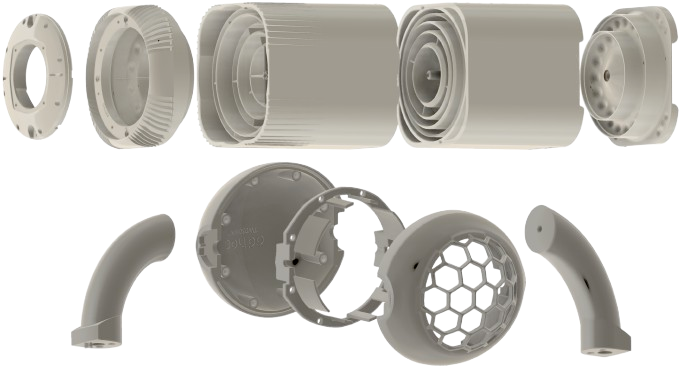
Click the image of the models to access the design resources, or to subscribe for access if you are not already an adhoc member.
Image Gallery
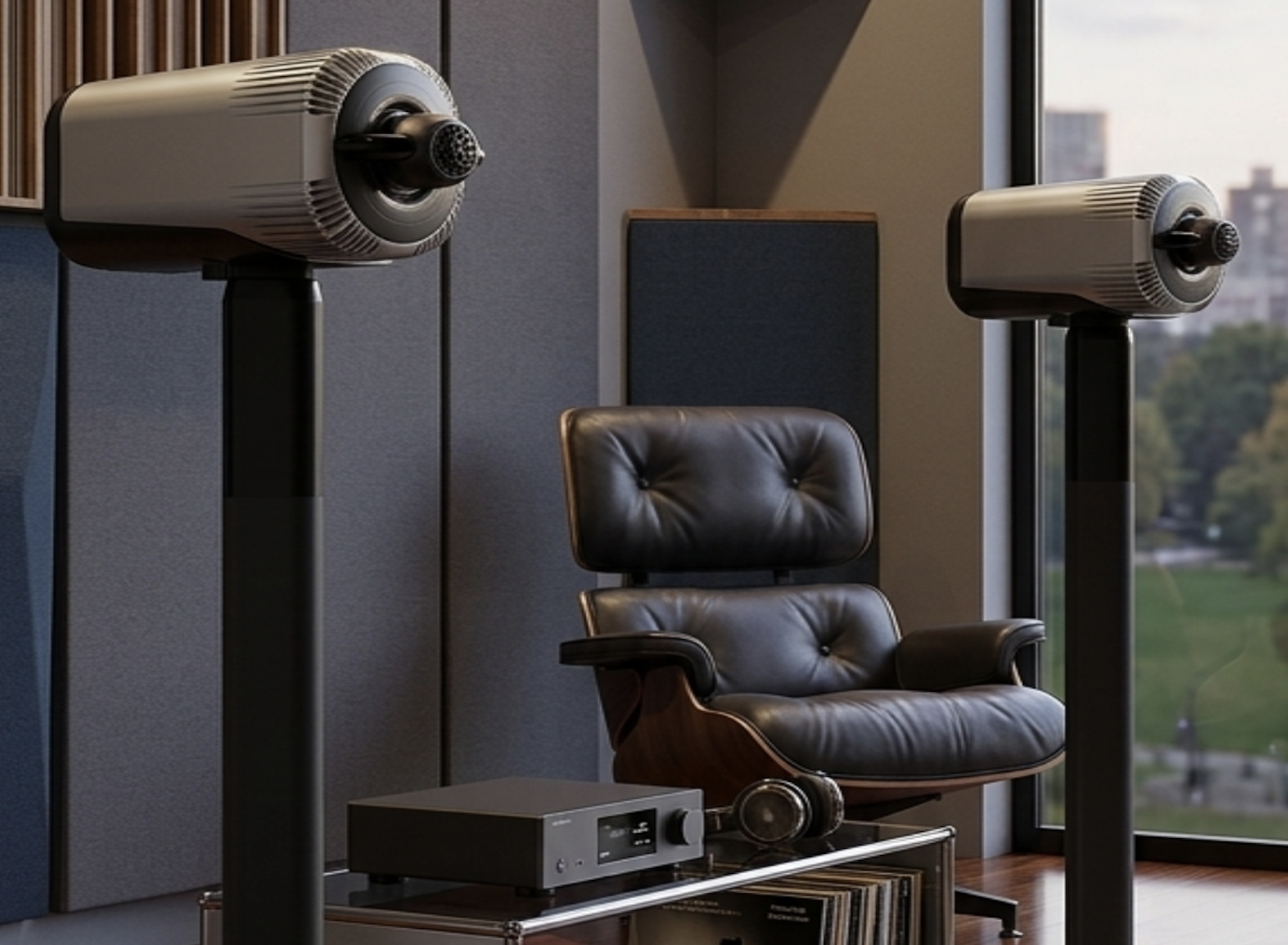
Click on the image above to view the Image Gallery
Created from First Principles
The Flow/ family began with an acoustic problem: fit a nearly 1.8-meter quarter-wave path and a 4.8-liter working air volume into a compact enclosure, control tube modes, preserve useful low-frequency loading and imaging, and keep the loudspeaker small enough for a real room. The folded, coaxial tapered quarter-wave tube described in U.S. Patent 7,925,036 B2 provides the structure. Driver layout, FIR crossover, modular construction, 3D printing, and the 180-degree swivel tweeter all support that geometry.
Flow/1 established the foundation. Flow/2 uses six unequal-length coaxial segments and adds twisted gyroidic-like vanes in and tuned Helmholtz resonators. These features are designed to address selected higher-order tube modes while preserving the line’s low-frequency quarter-wave loading.
Every dimension has a role. Taper, folds, clefts, dimples, pimples, vanes, resonators, and internal volume all shape the acoustic design.
Flow/1 Explosion
Why Build a Flow Speaker?
Flow/ is a compact loudspeaker system for people who want to build, measure, and understand what they hear. It combines a nearly 1.8-meter folded, coaxial tapered quarter-wave tube, swappable driver modules, a 180-degree swivel tweeter, and an active crossover with DSP. It is designed for useful bass, stable imaging, and flexible placement in a real room.
Flow/1 established the foundation. Flow/2 adds twisted gyroidic-like vanes and tuned Helmholtz resonators to address selected higher-order tube modes.
Subscribe for access to the complete Flow/1 design files and build resources, the member forum, and Flow/2 development updates.
Subscribe to take on a rare DIY project and build an audiophile loudspeaker of your own making: an extremely compact transmission-line design refined through decades of development.
If that describes you, Flow/ is exactly the kind of project worth building.
Press ‘Subscribe For Access’ to the Flow/1 3D files, future design updates, and the member forum.